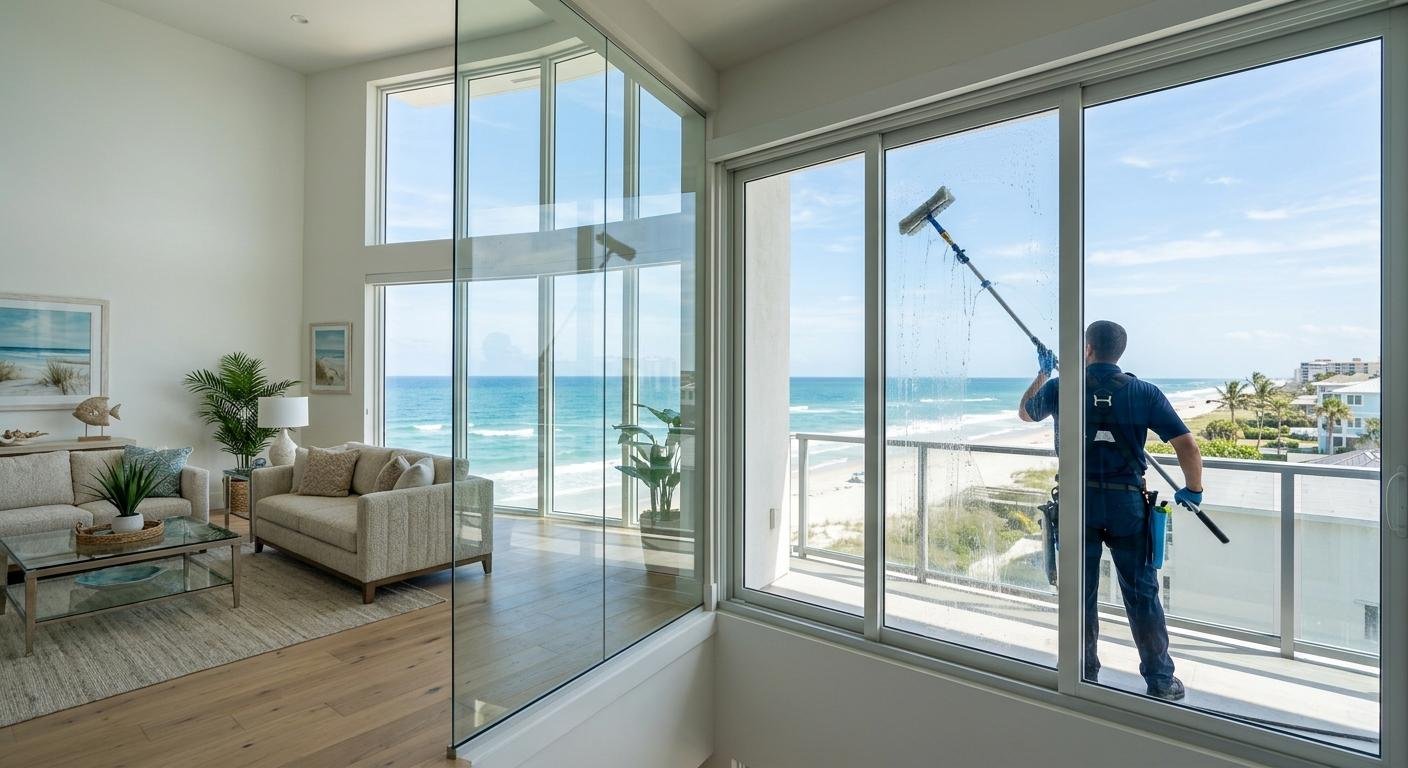
When summer ends and vacation bookings begin to slow, many coastal properties along Florida’s Emerald Coast spend longer periods without occupants. Although fewer guests can mean less everyday mess, an empty home still needs attention. In Santa Rosa Beach and communities along 30A, warm temperatures, humidity, rainfall, and coastal air can create conditions in which stale or musty odors develop if moisture sources go unnoticed.
A musty smell is more than an unpleasant first impression. It can indicate damp textiles, stagnant air, residue in overlooked areas, or a moisture problem that deserves further investigation. Simply opening a window or using an air freshener may temporarily change the smell without addressing its source.
Knowing how to prevent musty odors in vacant coastal homes starts with preparing the property before it sits empty, managing indoor moisture appropriately, and arranging periodic checks throughout the fall. These steps are especially useful for second homes and short-term rentals that may go several weeks between visits.
Why Vacant Coastal Homes Develop Musty Odors
Humidity remains an important consideration along the Emerald Coast even after the busiest summer travel period. Fall temperatures can still be warm, and moisture may enter a property through everyday activities, air leaks, rain intrusion, plumbing issues, or poorly controlled indoor humidity. When a home stays closed for an extended period, owners may not notice changes as quickly as they would in an occupied residence.
Musty odors can originate from several sources. Damp towels, bedding, rugs, and upholstery may retain moisture if they are stored before drying completely. Bathrooms and laundry areas can hold residue or moisture in corners, around fixtures, and in other less visible places. Food debris, rubbish, and forgotten perishables can also create unpleasant smells that become more noticeable when the house has been closed up.
In some cases, the odor may indicate a more serious issue, such as a plumbing leak, water intrusion around windows, condensation, or mold growth inside a damp area. Cleaning can remove ordinary dirt and some sources of odor, but it cannot resolve moisture trapped inside building materials or correct a faulty HVAC system.
Before leaving a property vacant, owners should therefore look for the source of any existing smell rather than trying to cover it. If an odor persists after routine cleaning, or returns soon afterward, investigate further and arrange a qualified inspection when needed.
Prepare the Home Before It Sits Empty
The most effective time to reduce odor risks is before the property becomes vacant. Start with a thorough cleaning of kitchens, bathrooms, floors, and frequently used living areas. Remove rubbish and perishable food, clean food-preparation surfaces, and check refrigerators and other appliances for spills or forgotten items. If a refrigerator will be switched off, follow the manufacturer’s instructions for cleaning and storing it safely.
Textiles need particular attention because they can hold moisture and odors. Wash used towels and bedding, allow everything to dry completely, and store clean linens in a dry location. Do not leave damp bath mats, wet beach towels, or swimwear inside the home. Upholstery and rugs should also be dry before the property is closed up, especially if guests have tracked in wet sand or used pool areas.
Cleaning kitchens and bathrooms, removing rubbish, and ensuring linens and other textiles are fully dry helps prepare a coastal property for an extended period without occupants.
Bathrooms and kitchens should be left clean and dry, with residue removed from sinks, showers, countertops, and other frequently used surfaces. Check under sinks for visible signs of leaks and look around windows and exterior doors for water intrusion or dampness. If anything appears wet without an obvious explanation, investigate before leaving the property unattended.
For vacation rental owners, this preparation is particularly important after a busy summer of guest turnover. A final deep clean can address accumulated debris and overlooked areas that routine changeover service may not cover every time. Our guide to preparing your Emerald Coast property for the off-season explains how seasonal cleaning fits into a broader property-maintenance plan.
Manage Indoor Humidity and Airflow During Fall
Cleaning helps remove common sources of odor, but managing moisture is equally important. Along the Emerald Coast, simply turning off the air conditioning and sealing up a home may not be appropriate for every property. Indoor conditions depend on the building, HVAC system, weather exposure, and how long the home will remain empty.
Follow the HVAC manufacturer’s recommendations and consult a qualified technician or property manager about suitable settings for an unoccupied home. Air conditioning and dedicated dehumidification equipment can help manage indoor humidity when properly sized, configured, and maintained. Equipment that is malfunctioning, poorly maintained, or incorrectly set may fail to control moisture effectively.
Appropriate humidity control and routine property checks help owners manage moisture risks while their Emerald Coast homes remain unoccupied during fall.
Avoid assuming that leaving windows open is always the best solution. Outdoor air can be humid, and opening windows during rainy or damp weather may introduce more moisture rather than improve indoor conditions. Windows and doors should generally be secured against rain and weather intrusion when the property is unattended.
Owners should also consider how air moves through the home. Closed-off rooms, packed closets, and areas with limited circulation may be more prone to lingering odors if moisture is present. Follow property-specific guidance for interior doors, ventilation, and humidity-control equipment rather than relying on a universal setting.
If the property has a history of dampness, condensation, or recurring musty smells, arrange a professional assessment before leaving it vacant for an extended period. A qualified professional can help determine whether the problem involves HVAC performance, leaks, drainage, or another source that cleaning alone will not fix.
Schedule Regular Checks While the Property Is Vacant
A vacant home should not necessarily be left unchecked until the next reservation or owner visit. Periodic inspections can help identify new odors, visible moisture, plumbing leaks, condensation, or other changes before they go unnoticed for weeks. The appropriate frequency depends on the property’s condition, its exposure to weather, insurance requirements, and the length of the vacancy.
During a visit, check bathrooms, kitchens, laundry areas, windows, ceilings, and spaces beneath sinks for visible dampness or signs of water intrusion. Look for changes in the condition of rugs, upholstery, and stored linens, and pay attention to any unusual smell that was not present previously. If a property has experienced heavy rain or a tropical weather system, an additional check may be sensible when it is safe and practical.
Professional cleaning can support these visits by removing dust, residue, and everyday buildup that may contribute to stale indoor conditions. Recurring residential home cleaning can be useful for second homes, while short-term rental cleaning can help owners prepare a property between bookings. However, cleaning visits should not be treated as a substitute for inspections of plumbing, HVAC equipment, roofing, or other building systems.
If visible mold, extensive water damage, or a persistent musty odor is discovered, avoid simply cleaning the affected area and closing the property again. The moisture source needs to be identified, and significant or recurring mold concerns may require a qualified remediation professional.
Keep Your Coastal Property Fresh Between Visits
Preparing a vacant coastal home for fall involves more than tidying the rooms before locking the door. Removing rubbish and food, cleaning kitchens and bathrooms, drying textiles, managing indoor humidity, and arranging periodic checks can all help reduce common sources of musty odors.
For property owners in Santa Rosa Beach and surrounding Emerald Coast communities, these precautions are valuable even during the quieter months. Coastal humidity does not disappear when bookings slow down, and an empty home may go longer without anyone noticing a developing issue.
The best approach combines regular cleaning with appropriate humidity management and property maintenance. If an odor persists, treat it as a signal to investigate rather than relying on fragrances or repeated surface cleaning. Finding and addressing the underlying cause is essential to keeping the home comfortable and protecting its condition.
B and B Cleaning Services can help homeowners and vacation rental hosts keep their properties clean and prepared between stays. If your coastal home needs a seasonal refresh or recurring cleaning support, request a quote and build a maintenance routine suited to your property’s use and needs.
Explore practical holiday cleaning strategies for Emerald Coast homes and vacation rentals, from preparing guest spaces and managing seasonal bookings to keeping coastal properties fresh after the celebrations.
Discover how off-season deep cleaning for vacation rentals helps property owners address summer buildup, maintain guest-ready interiors, and protect their investment along Florida’s Emerald Coast.